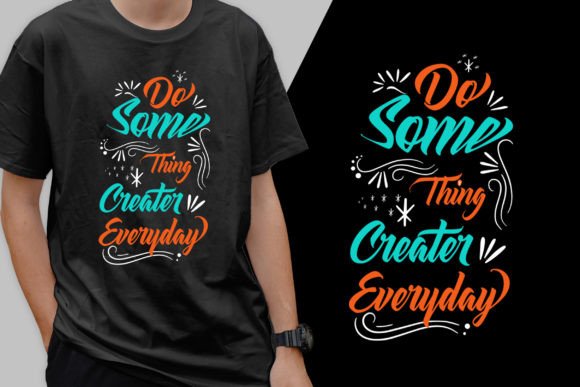
Do Some Thing Classy T Shirt Design
A Designer’s First Glance: Elegant Simplicity, Not Empty Flash
When Do Some Thing Classy T Shirt Design landed in my inbox, I didn’t see another trendy phrase—it felt like a quiet nod to intention. The layout is clean, balanced, and intentionally uncluttered: confident lettering with subtle weight variation, generous spacing, and a rhythm that breathes. It doesn’t shout; it invites. That matters—especially when you’re translating graphics into machine embroidery design. As someone who’s stitched hundreds of phrases onto baby onesies, boutique aprons, and holiday tote bags, I know how easily “clever” text designs collapse under stitch density or vanish on textured fabric. This one? It lands with grounded elegance—not because it’s fancy, but because it’s *considered*.
Real Project Test: Embroidering It Onto a Linen-Cotton Kitchen Towel
Last week, I used Do Some Thing Classy T Shirt Design for a small-batch kitchen towel line for a local café pop-up. Linen-cotton blend—medium texture, low stretch, no backing. I chose a 3.5" wide hoop and a medium-weight cutaway stabilizer. The result? Crisp satin-stitched letters with gentle curve definition, zero puckering, and just enough fill stitch in the thicker strokes to hold shape without stiffness. Customers kept picking up the towels, running fingers over the embroidery, and saying, “It feels *made*, not printed.” That’s the handmade product halo—and Do Some Thing Classy T Shirt Design supports it beautifully when executed thoughtfully.
Where It Shines (and Where It Needs Extra Care)
This design naturally elevates custom apparel and thoughtful gifting—but its strength lies in context, not universality. Here’s where it performs best:
- Sweatshirt embroidery: Works cleanly on midweight fleece—letterforms stay legible even at 4–5" width.
- Embroidered patch: Clean edges translate well to heat-applied or sew-on patches for jackets or backpacks.
- Baby embroidery: On cotton interlock onesies, use reduced stitch density and soft thread—its simplicity avoids overwhelming delicate scale.
- Holiday embroidery: Paired with neutral thread on cream linen napkins or velvet pillow covers, it reads as warm, not generic.
- Etsy seller asset: Looks polished in printable mockups—especially against muted backdrops—and pairs well with minimalist branding.
But proceed with awareness in these cases:
- Curved surfaces like caps: The horizontal flow works best on flat or gently rounded areas—not the steep crown curve. Test stitch on a cap blank first.
- Thin or highly stretchy fabric: Letter spacing can visually compress if tension isn’t dialed in. Use tear-away + light cutaway combo and reduce top tension slightly.
- Dark fabric: Avoid light gray or beige thread—it fades. Go bold: charcoal, navy, or deep olive for contrast and longevity.
- Tiny hoop sizes (under 3"): The lowercase “g” and “y” have subtle descenders—scale down only to ~2.75" width, and inspect stitch clarity closely.
What It Does for Your Craft Business—Beyond the Stitch
As an Etsy seller and small shop product developer, I judge designs by how they affect buyer trust and perceived value—not just technical execution. Do Some Thing Classy T Shirt Design quietly raises the bar. It doesn’t rely on novelty or irony; it leans into timelessness. That translates directly to repeat customers, better photo conversions, and smoother client consultations (“Yes, this will look great on your wedding welcome sign”). It also plays well across categories: a single digital embroidery file can become a personalized gift, a boutique apron, a nursery wall hanging, or a small-run merch item—without feeling mismatched.
That versatility comes with responsibility. Before listing finished products or reselling the embroidery file, confirm licensing terms from the original source. And never skip the fundamentals: test the design on scrap fabric first, review stitch density in your editing software, compare black-and-white mockups on light vs. dark backgrounds, and always check thread color contrast in natural light—not just screen glow.
Designer Notes You’ll Actually Use
Here’s what I do before committing Do Some Thing Classy T Shirt Design to a real project:
- Stabilizer match: Cutaway for knits, tear-away for stable wovens, mesh for lightweight silks or rayon.
- Thread colors: Stick to 2–3 max. A tonal combo (e.g., charcoal + slate) reads more luxe than multicolor on text-driven pieces.
- Fabric texture check: Run your finger over the embroidered sample—if it snags or feels stiff, reduce fill stitch % or switch to softer thread.
- Commercial embroidery note: If stitching for resale, verify whether the original Graphics license permits derivative finished products—or if you need extended rights.
- Handmade presentation tip: Pair with quality packaging and a handwritten note. This design earns that extra care—it signals intention, not impulse.
Final Thought: Class Isn’t a Style—It’s a Standard
Do Some Thing Classy T Shirt Design won’t win awards for complexity—but then again, neither does a perfectly tailored blazer or a well-fired ceramic mug. Its power is in restraint, balance, and quiet confidence. For craft business owners, Etsy sellers, and embroidery designers building reputations on authenticity and finish, it’s a reliable, adaptable, and genuinely elevated choice. Just remember: class shows up not in the file itself—but in how thoughtfully you bring it to life.