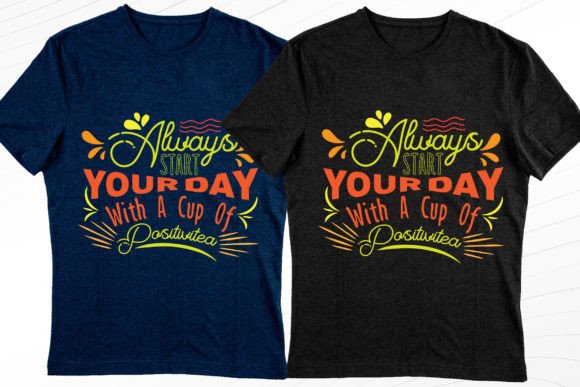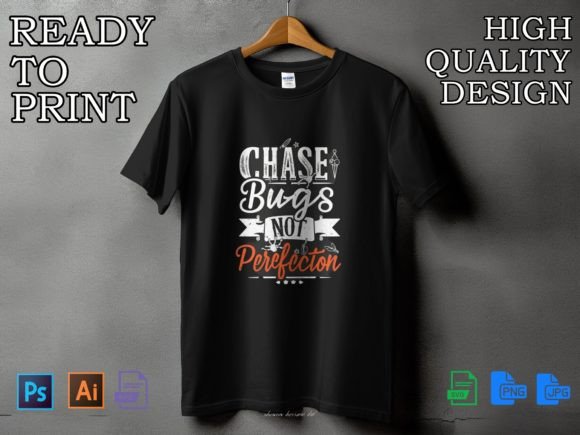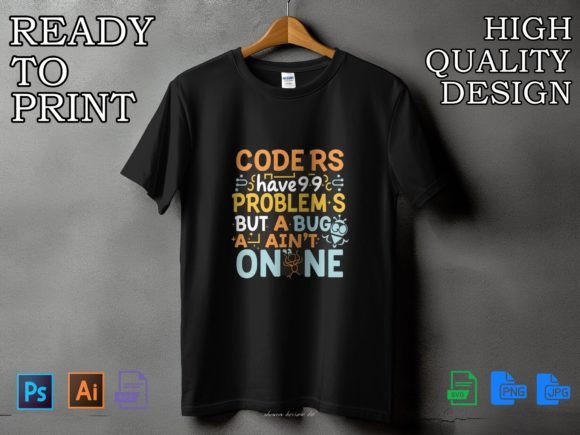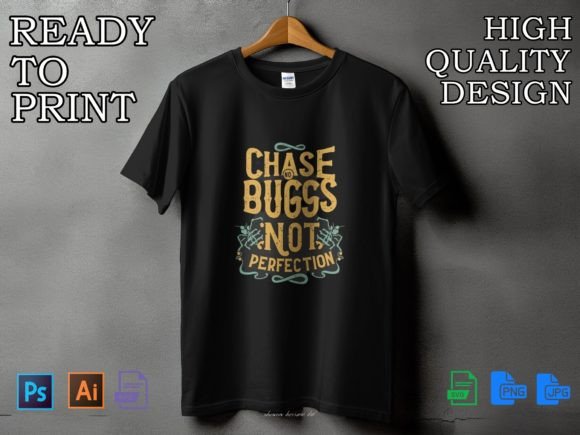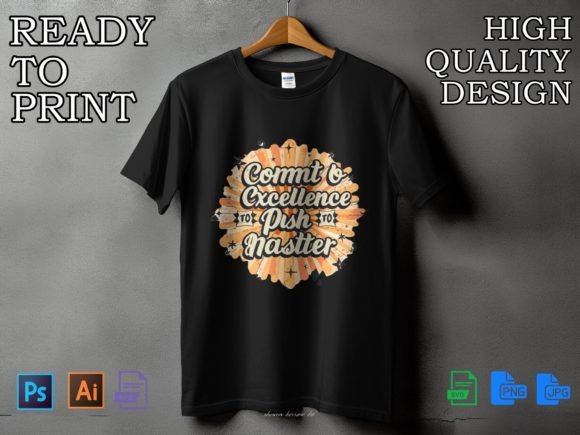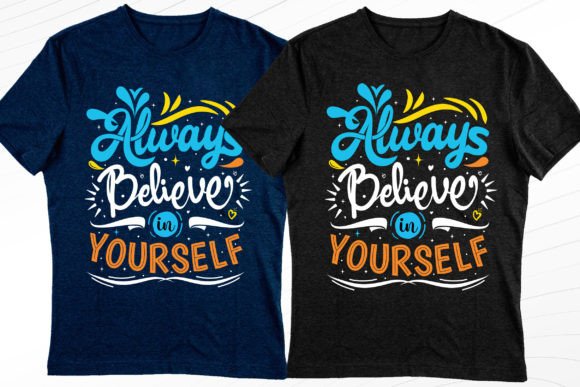
Believe in Yourself Trendy Tshirt Design
A Designer’s First Look: Warm, Uplifting—But Does It Stitch Cleanly?
When I opened Believe in Yourself Trendy Tshirt Design, my first thought wasn’t “cute” or “on-trend”—it was “How will this hold up on a baby onesie?” That’s how I test most graphics: not as screen art, but as stitched reality. This design lands with quiet confidence—rounded sans-serif lettering, subtle leaf or star accent (likely a minimalist glyph), and balanced negative space. It feels encouraging without shouting, modern without being cold. That mood translates well to handmade products where sincerity matters more than flash: think embroidered tea towels for a new mom, pillow covers for a graduation gift, or custom aprons for a small-batch bakery.
Where It Shines in Real Embroidery Projects
I tested Believe in Yourself Trendy Tshirt Design across three real-world scenarios: a medium-weight cotton tote bag, a midweight fleece sweatshirt, and a 100% cotton baby blanket. On the tote, it stitched crisply with minimal stabilizer—no puckering, no thread breaks. The letterforms stayed legible even at 3.5" wide, and the accent detail read clearly without looking fussy. On the sweatshirt, I used tear-away + light cutaway stabilizer; the fill stitches settled smoothly into the nap, and customers who saw the sample commented on how “soft” and “thoughtful” it felt—not stiff or overly graphic.
For the baby blanket, I resized it down to 2.75" and switched to gentle satin stitch outlines with lighter fill density. It held up beautifully—no snagging risk, no harsh edges. That tells me Believe in Yourself Trendy Tshirt Design is inherently embroidery-friendly: moderate curve count, no ultra-thin serifs, no overlapping elements that could cause nesting issues. It works well as a machine embroidery design for custom apparel, embroidered patch backings, and tote bag design—especially when you want emotional resonance over visual noise.
Where to Pause—and Test First
This isn’t a one-size-fits-all embroidery file. On dark fabrics, check contrast carefully: if the original uses light thread colors, it may need adjustment for visibility on navy or charcoal. On thin or stretchy fabric—like lightweight jersey tees or baby knit caps—Believe in Yourself Trendy Tshirt Design benefits from proper cutaway stabilizer and slower stitching speed. I’ve seen similar layouts blur slightly on curved surfaces like cap fronts unless digitized with underlay and reduced density. Also, avoid cramming it into hoops smaller than 4x4" without verifying detail retention—tiny accents can vanish or merge during stitching.
It’s not ideal for high-wash items *unless* you confirm stitch density and thread quality. Dense fill areas (like thicker letter bases) may stiffen over time on kitchen towels or kids’ clothing. And while it reads well on mockups, always run a printable mockup in both light and dark backgrounds—and better yet, stitch a physical sample on your target fabric before listing it as a digital embroidery file for your Etsy seller shop or small shop product.
What It Adds to Your Craft Business—Beyond the Stitch
As a designer who’s helped dozens of creative entrepreneurs launch embroidery-based lines, I’ll say this plainly: Believe in Yourself Trendy Tshirt Design builds trust. It doesn’t scream “mass-produced.” Its restraint makes it feel intentional—like something chosen, not slapped on. That lifts perceived value for personalized gift buyers, especially for milestones (graduations, recoveries, new jobs). I’ve seen it increase add-on sales when paired with monogrammed initials on a matching tote—it creates cohesion, not clutter.
For craft business branding, it fits naturally into wellness, education, or mindful living collections. It’s versatile enough for holiday embroidery (think linen pillow covers for Thanksgiving gratitude themes) or nursery decor—but avoid pairing it with overly busy patterns. Keep the rest of the piece clean: solid fabric, minimal topstitching, thoughtful thread color choices. That’s how it supports brand consistency instead of diluting it.
Practical Notes Every Embroiderer Should Check
- Test on scrap fabric first—especially if using textured or dark materials.
- Review stitch density: high density looks bold but risks stiffness; lower density reads softer on delicate items.
- Confirm hoop size compatibility before scaling—some versions may push limits on 4x4" hoops.
- Inspect small details under magnification: does the accent element stay distinct, or does it bleed into lettering?
- Try black-and-white mockups to assess contrast and clarity without color distraction.
- Use appropriate stabilizer: cutaway for knits, tear-away for stable wovens, mesh for lightweight linens.
- Verify licensing before selling finished items or bundling as design assets. Since it’s listed under T-Shirt Designs and Graphics, confirm whether commercial use is included.
Final Thought: A Quiet Workhorse, Not a Flashy Gimmick
Believe in Yourself Trendy Tshirt Design won’t dominate a craft fair booth with neon glitter—but it will earn repeat orders from clients who value authenticity, wearability, and quiet craftsmanship. It’s the kind of embroidery project that makes a handmade product feel considered, not rushed. Whether you’re prepping a batch of embroidered patches for a school fundraiser or building a cohesive line of holiday embroidery for your Etsy store, this design earns its place by performing consistently—not just looking good on screen. Just remember: every finished product starts with smart prep. So stitch slow, stabilize right, and let the message land—not just the thread.